
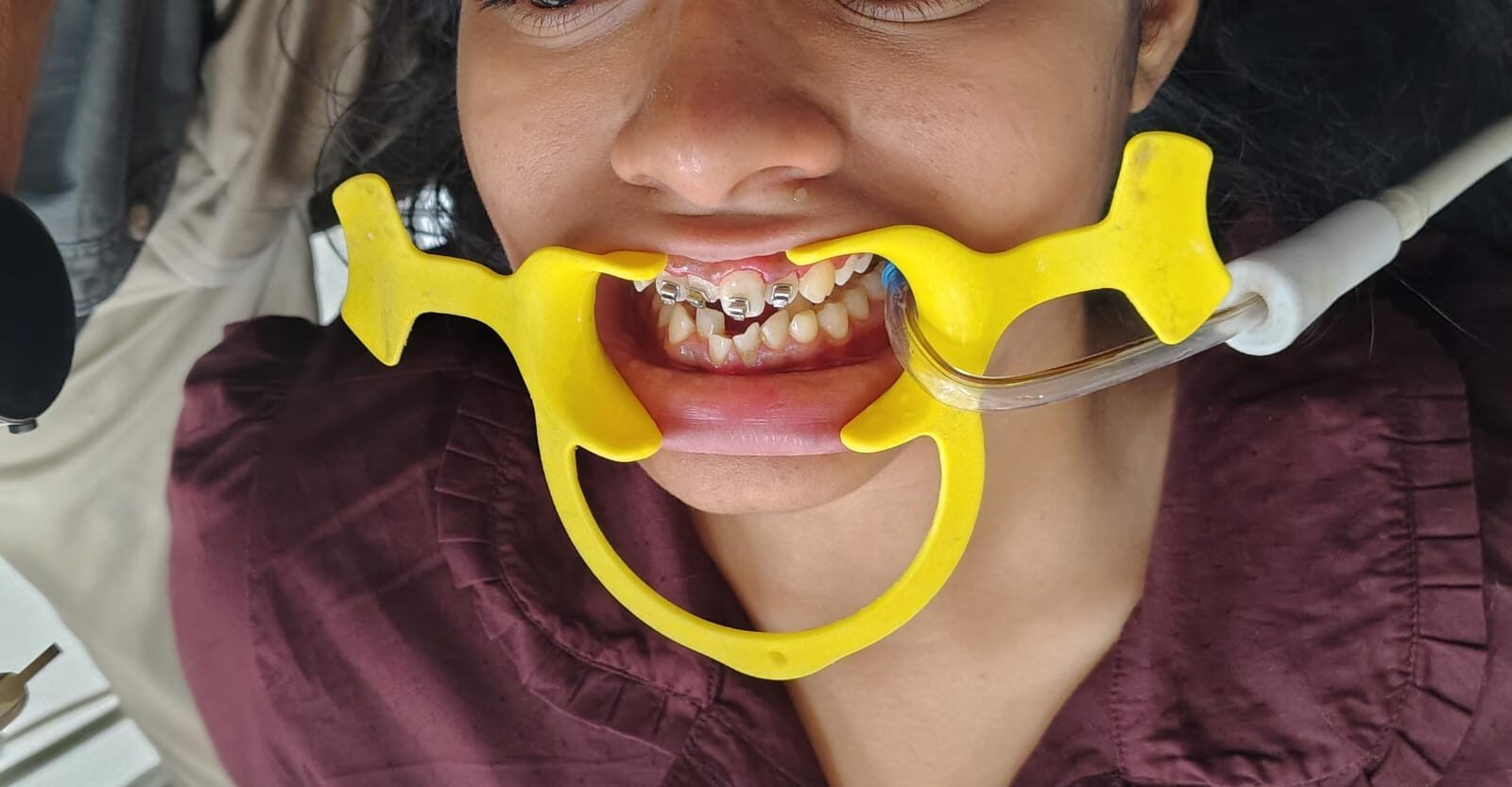
Self-Ligating Braces: A Modern Way to Straighten Your Teeth
A confident smile can make a big difference in the way you look and feel. If you have crooked teeth, gaps, crowded teeth, or bite problems, orthodontic treatment can help improve both the appearance and function of your smile.
Among the different types of braces available today, self-ligating braces are a modern orthodontic option that many patients consider because of their low-profile design and convenient wire-changing mechanism.
But what exactly are self-ligating braces, and how are they different from conventional braces?
What Are Self-Ligating Braces?
Self-ligating braces are a type of fixed orthodontic appliance used to gradually move teeth into their desired positions.
Like conventional braces, they use brackets and orthodontic wires. The main difference is the way the wire is held inside the bracket.
Traditional braces generally use small elastic rings, often called O-rings or ligatures, to hold the archwire in place. Self-ligating brackets use a small built-in clip or sliding mechanism instead.
This design allows the orthodontist to secure and adjust the archwire without using traditional elastic ligatures.
How Do Self-Ligating Braces Work?
Self-ligating braces work through the controlled application of orthodontic forces.
The brackets are bonded to the teeth and connected with an orthodontic archwire. As treatment progresses, the orthodontist changes or adjusts the wires and other components according to the individual treatment plan.
Over time, these controlled forces help move the teeth and improve their alignment and bite.
It is important to understand that self-ligating braces do not straighten teeth automatically. Treatment still requires proper diagnosis, planning, regular orthodontic appointments, and good patient cooperation.
Self-Ligating Braces vs Conventional Braces
The primary difference is the mechanism used to hold the archwire.
| Feature | Self-Ligating Braces | Conventional Braces |
|---|---|---|
| Wire retention | Built-in clip/door | Elastic or metal ligature |
| Appearance | Available in different designs | Available in different designs |
| Adjustments | No traditional elastic ligatures required | Ligatures are commonly changed during visits |
| Treatment planning | Depends on individual case | Depends on individual case |
| Suitability | Depends on orthodontic diagnosis | Depends on orthodontic diagnosis |
| Cleaning | Requires careful brushing and interdental cleaning | Requires careful brushing and interdental cleaning |
Neither system is automatically suitable for every patient. Your orthodontist should select the appliance based on your teeth, bite, growth pattern, treatment objectives, and overall oral health.
What Are the Advantages of Self-Ligating Braces?
1. No Traditional Elastic Ligatures
One of the most noticeable differences is the absence of conventional elastic O-rings. The built-in clip or door holds the archwire in place.
2. Easy Archwire Changes
The orthodontic wire can be accessed through the bracket mechanism, which can make certain adjustment procedures more convenient.
3. Modern Bracket Design
Self-ligating brackets are available in different sizes and designs. Some patients prefer their appearance compared with traditional braces.
4. Potentially Convenient Appointments
Because there are no individual elastic ligatures to replace, some adjustment appointments may be simpler. However, appointment frequency and total treatment time depend on the individual case.
5. Available for Different Orthodontic Problems
Self-ligating systems can be used in the treatment of many types of malocclusion, including crowded teeth, spacing, and certain bite problems.
Are Self-Ligating Braces Faster?
This is one of the most common questions patients ask.
Not necessarily.
Although self-ligating braces have design features that may make some appointments or wire changes more convenient, the total duration of orthodontic treatment depends on several factors.
These include:
- Severity of crowding
- Type of bite problem
- Tooth movement required
- Patient’s age and growth
- Treatment plan
- Oral hygiene
- Attendance at scheduled appointments
- Patient cooperation
- Individual response to orthodontic treatment
Therefore, it is better not to choose braces solely because they are advertised as a “faster” option.
Are Self-Ligating Braces Painful?
Like other types of fixed braces, self-ligating braces can cause temporary discomfort or pressure, particularly after placement or adjustment.
You may notice:
- Mild soreness
- Pressure around the teeth
- Temporary sensitivity while chewing
- Irritation of the cheeks or lips during the initial adjustment period
This discomfort generally improves as the mouth adapts to the braces.
How Long Do You Need to Wear Self-Ligating Braces?
Treatment duration varies considerably from patient to patient.
Some cases may require a relatively shorter period, while more complex cases can take considerably longer.
Your orthodontist can provide a more meaningful estimate after examining your teeth, bite, dental records, and X-rays.
How Should You Care for Self-Ligating Braces?
Good oral hygiene is extremely important during orthodontic treatment.
Follow these habits:
- Brush at least twice a day using fluoride toothpaste.
- Clean carefully around the brackets and gumline.
- Use interdental brushes where appropriate.
- Clean between the teeth regularly.
- Limit frequent sugary snacks and drinks.
- Avoid very hard or sticky foods that may damage the appliance.
- Attend your scheduled orthodontic appointments.
- Contact your dentist or orthodontist if a bracket or wire becomes loose or broken.
Keeping your teeth clean throughout orthodontic treatment helps reduce the risk of cavities, gum problems, and white spots around the brackets.
Who Can Get Self-Ligating Braces?
Self-ligating braces may be suitable for teenagers and adults who require fixed orthodontic treatment.
However, there is no single type of braces that is best for everyone.
During an orthodontic consultation, your dentist or orthodontist will assess:
- Tooth alignment
- Jaw relationship
- Bite
- Available space
- Gum and bone health
- Existing dental problems
- Your treatment expectations
Based on this assessment, you can discuss whether self-ligating braces, conventional braces, ceramic braces, aligners, or another treatment option is appropriate.
Self-Ligating Braces for Adults
Adults often worry that orthodontic treatment will be uncomfortable or too noticeable.
Fortunately, modern orthodontic options offer several choices. Depending on the case, adults may be candidates for self-ligating metal braces, aesthetic braces, or clear aligners.
The right choice depends on your dental condition as well as your aesthetic and lifestyle preferences.
How Much Do Self-Ligating Braces Cost?
The cost of self-ligating braces varies depending on several factors, including:
- Complexity of the case
- Type and brand of brackets
- Treatment duration
- Orthodontic requirements
- Whether additional procedures are required
- Clinic and treatment plan
Rather than choosing treatment based only on price, patients should consider the diagnosis, treatment plan, quality of care, follow-up, and long-term stability of the result.
Frequently Asked Questions
Do self-ligating braces use rubber bands?
Self-ligating brackets have a built-in clip or door that holds the archwire, so traditional elastic ligatures are generally not required.
Are self-ligating braces invisible?
No. Self-ligating braces are fixed braces and are visible. Depending on the system, different aesthetic options may be available.
Can adults wear self-ligating braces?
Yes. Adults can undergo orthodontic treatment when they are suitable candidates following a proper dental and orthodontic assessment.
Do self-ligating braces require fewer appointments?
The appointment schedule varies by treatment plan. The bracket design can make certain wire changes and adjustments more convenient, but patients still need regular orthodontic monitoring.
Are self-ligating braces better than traditional braces?
Both systems can be effective orthodontic treatment options. The appropriate choice depends on the patient’s dental condition and treatment goals rather than the bracket type alone.
Conclusion
Self-ligating braces are a modern type of fixed orthodontic appliance that uses a built-in mechanism to hold the orthodontic wire instead of traditional elastic ligatures.
They can be a convenient option for many patients, but the success of orthodontic treatment depends much more than simply the type of bracket used. Proper diagnosis, treatment planning, regular follow-ups, oral hygiene, and patient cooperation all play important roles.
If you are considering braces for crowded teeth, gaps, crooked teeth, or bite correction, a personalised orthodontic consultation can help you understand which treatment option is appropriate for your smile.
Looking for Self-Ligating Braces in Chandkheda, Ahmedabad?
At Arsh Dental Care, we provide personalised orthodontic consultations for patients considering braces and other teeth-straightening options. The treatment plan is selected after assessing your teeth, bite, oral health, and individual requirements.
Arsh Dental Care
10 Monarch Crystal, Sneh Plaza Road, Chandkheda, Ahmedabad, Gujarat
Your smile deserves a treatment plan designed specifically for you.