
Introduction
Keeping your mouth healthy is very important for your overall well-being. Good oral hygiene helps prevent tooth decay and gum problems. Many people brush their teeth every day. However, brushing alone is not enough. Flossing benefits your mouth in ways brushing cannot. In this blog, you will learn why flossing is important and how it supports your dental health. You will also discover simple oral hygiene tips to keep your smile bright.
What Is Flossing?
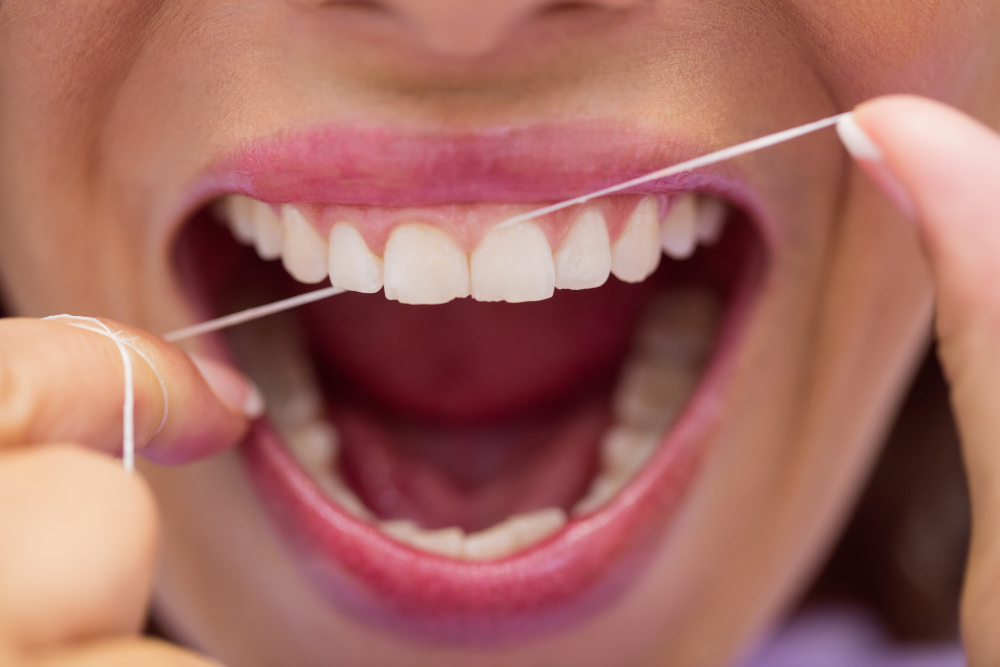
Flossing means using a thin piece of string, called dental floss, to clean between your teeth. While brushing cleans the surfaces of your teeth, flossing reaches places your toothbrush cannot. For example, floss can remove food and plaque from tight spaces. In addition, flossing helps clean under the gumline. This is an area that brushing often misses. Together, brushing and flossing give your mouth a deeper clean.
Key Benefits of Flossing
Flossing offers many advantages for your dental health. Here are some key flossing benefits:
Moreover, regular flossing supports your overall oral hygiene. The American Dental Association and CDC both recommend flossing every day.
Why Brushing Alone Is Not Enough
Even if you brush well, your toothbrush cannot reach every spot. For instance, the bristles miss the tight spaces between teeth. Over time, plaque and food can build up in these areas. As a result, brushing alone leaves your mouth at risk for cavities and gum disease. Flossing is necessary to remove hidden debris. That is why experts say both brushing and flossing are needed for complete dental care.
How to Floss Correctly
Flossing is easy once you know the steps. Here is a simple guide to help you get started:
With practice, flossing will become quick and comfortable.
Common Myths About Flossing
There are many myths about flossing. Let’s clear up a few common ones:
Knowing the facts helps you make better choices for your dental health.
Tips for Making Flossing a Daily Habit
Sometimes, it is hard to remember to floss. However, these tips can help you make flossing a part of your routine:
With these simple oral hygiene tips, you can enjoy all the flossing benefits and keep your smile healthy for years to come.