
Missing teeth can affect your smile and how you chew food. Dental bridges are a popular tooth replacement option that can help restore both function and appearance. If you are looking for ways to fill a gap in your smile, learning about dental bridges can help you make the best choice. Many people in cities and rural areas choose dental bridges for their dental care needs. According to the American Dental Association, dental bridges are safe and effective for most adults.
What Are Dental Bridges?
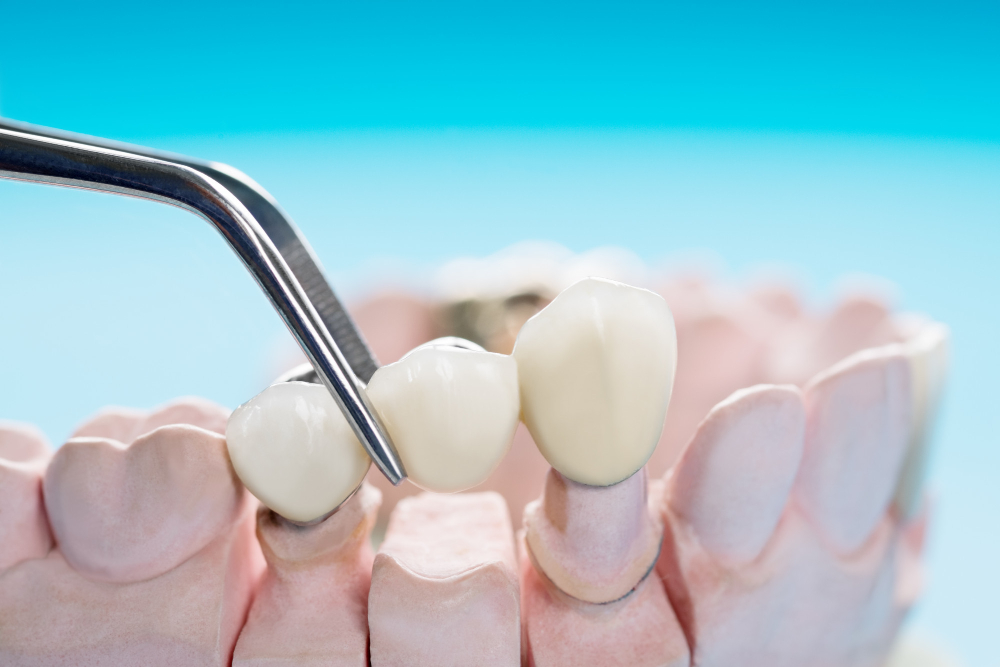
Dental bridges are artificial teeth used to fill gaps caused by missing teeth. Usually, a bridge is made up of one or more false teeth, called pontics. These are held in place by the teeth on either side of the gap, which are called abutment teeth. Sometimes, dental bridges are supported by dental implants instead of natural teeth. In many cases, bridges are made from materials like porcelain, ceramic, or metal. Because they look and feel like real teeth, dental bridges can help you eat and speak more easily.
Common Reasons for Needing a Dental Bridge
People need dental bridges for several reasons. Often, a missing tooth can cause problems with chewing or speaking. In addition, gaps in your teeth may lead to other teeth shifting out of place. This can change your bite and even cause jaw pain. For example, dental bridges are often used when:
Therefore, dental bridges can help restore your smile and keep your mouth healthy.
Types of Dental Bridges
There are several types of dental bridges. Each type works best for certain needs. Your dentist will help you choose the right one. The main types include:
Because each type has its own benefits, it is important to discuss your options with your dental care provider.
How Dental Bridges Are Placed
Getting a dental bridge usually takes two or more dental visits. First, the dentist prepares the teeth next to the gap. They may shape these teeth to fit crowns. Next, the dentist takes a mold of your mouth. This helps create a bridge that fits well. While your permanent bridge is made, you may get a temporary one. At your next visit, the dentist places the new bridge and checks the fit. Sometimes, small changes are needed for comfort. In some cases, dental implants may be placed first, which can take more time to heal.
Benefits and Risks of Dental Bridges
Dental bridges offer many benefits. For example, they can:
However, there are also some risks. Sometimes, the teeth that support the bridge may become weak or damaged. In rare cases, bridges can become loose or break. According to the American Dental Association, proper care can help bridges last many years. Still, it is important to follow your dentist’s advice and have regular checkups.
Caring for Your Dental Bridge
Proper care helps your dental bridge last longer. First, brush your teeth twice a day with a soft toothbrush. Next, use floss or special cleaning tools to clean under the bridge. Because food can get trapped, cleaning is very important. Also, visit your dentist for regular checkups and cleanings. If you notice any pain or the bridge feels loose, contact your dentist right away. In addition, avoid very hard or sticky foods, as these can damage your bridge.
Prevention: Protecting Your Teeth and Avoiding Tooth Loss
Preventing tooth loss is the best way to avoid needing a dental bridge. To keep your teeth healthy:
Because good dental care helps prevent many problems, following these tips can protect your smile. The CDC and the World Health Organization recommend regular dental visits for everyone. In some areas, access to dental care may vary, so check local clinics for options.