
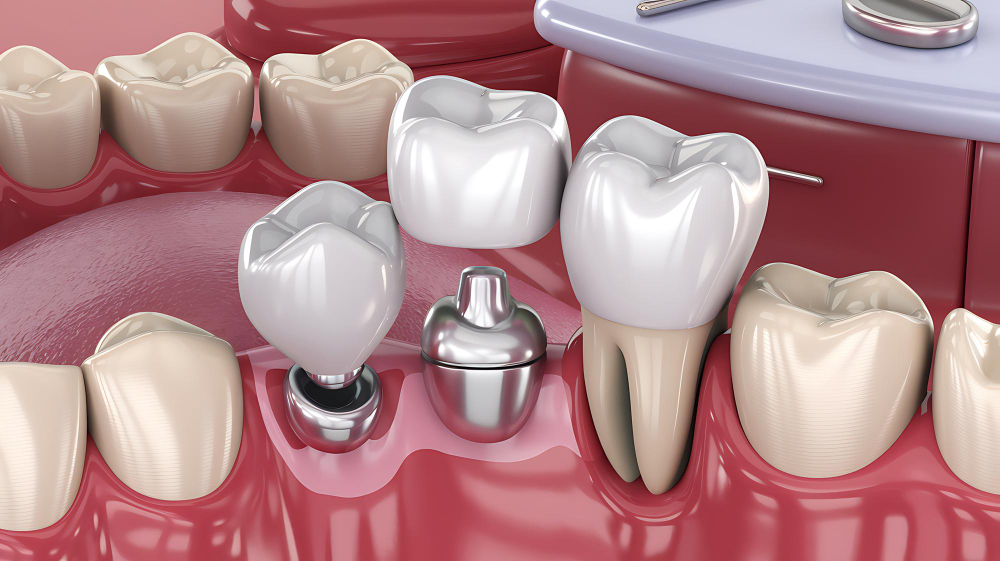
What Are Dental Crowns?
Dental crowns are custom-made caps that cover a damaged tooth. They help protect the tooth and restore its shape. Often, dental crowns are used when a filling is not enough to fix the problem. For example, if a tooth is cracked or very weak, a crown can help keep it strong. According to the American Dental Association, crowns are a common way to save teeth that might otherwise be lost.
Signs a Tooth Needs More Than a Filling
Sometimes, a simple filling cannot fix a tooth. Instead, a dental crown may be needed. But how do you know when does a tooth need a crown? Look for these signs:
In many cases, a dentist will suggest a crown if a filling will not last or protect the tooth well enough. For example, if the tooth is weak, a crown can help prevent further damage.
Common Causes for Dental Crowns
There are several reasons why someone might need a dental crown. First, tooth decay can make a tooth too weak for a filling. Second, a tooth that has had a root canal often needs extra support. Third, injuries like falls or biting hard foods can crack a tooth. In addition, teeth that are worn down from grinding may also need crowns. The Centers for Disease Control and Prevention (CDC) notes that dental injuries and decay are common reasons for crowns.
How Dentists Diagnose the Need for a Crown
When you visit your dentist, they will check your teeth carefully. Usually, they look for signs of damage or decay. Next, the dentist may take X-rays to see inside the tooth. This helps them decide if a filling is enough or if a crown is needed. If the tooth is too weak or broken, your dentist will likely recommend a crown. Sometimes, they will show you the difference between a tooth crown vs filling. This helps you understand why a crown may be the best choice.
Types of Dental Crowns
There are different types of dental crowns. Each type has its own benefits. Here are some of the best dental crowns for damaged teeth:
For example, your dentist will help you choose the right crown based on your needs and where the tooth is in your mouth.
The Dental Crown Procedure: Step by Step
Getting a dental crown usually takes two visits. First, the dentist numbs your tooth. Then, they shape the tooth so the crown will fit. Next, they take a mold of your tooth. This helps make a crown that fits just right. While you wait for your permanent crown, the dentist will place a temporary one. At your second visit, the dentist will remove the temporary crown and place the new one. They will check the fit and make sure you are comfortable. According to the American Dental Association, the dental crown procedure is safe and common.
Aftercare and Recovery Tips
After getting a crown, it is important to take care of your tooth. First, avoid sticky or hard foods for a few days. Next, brush and floss gently around the crown. If your crown feels loose or hurts, call your dentist. In most cases, crowns last many years with good care. The World Health Organization suggests regular dental checkups to keep your teeth and crowns healthy.
Preventing Tooth Damage
While dental crowns can fix damaged teeth, it is best to prevent problems when possible. Here are some simple tips:
By following these steps, you can help keep your teeth strong and avoid needing dental crowns in the future.