
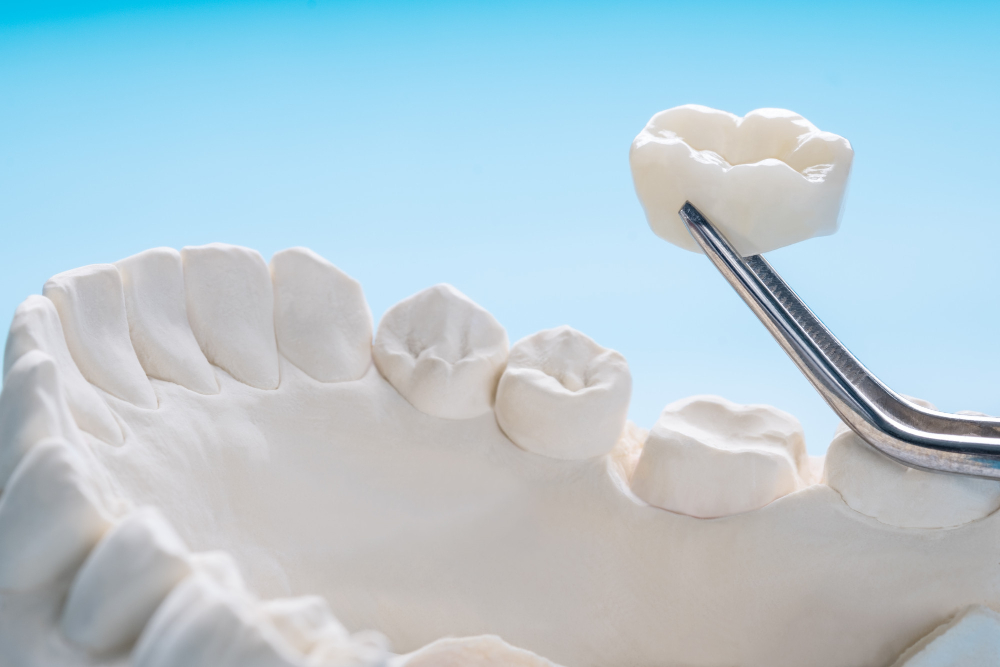
What Are Dental Crowns?
Dental crowns are strong covers placed over a tooth. They look like natural teeth. Dentists use dental crowns to protect, restore, or improve the look of a tooth. Often, dental crowns help when a tooth is weak or broken. According to the American Dental Association (ADA), crowns can also hold a dental bridge in place or cover a dental implant. Because they fit snugly, crowns help keep your bite even and your smile healthy.
Common Reasons a Tooth May Need a Crown
Sometimes, a tooth gets damaged or weak. In these cases, dental crowns offer protection. Here are common reasons a dentist may suggest a crown:
For many people, dental crowns are the best way to save a tooth that might otherwise be lost.
Signs and Symptoms That Indicate a Tooth May Require Protection
Sometimes, your tooth may show signs that it needs extra care. But how do you know if you need dental crowns? Watch for these signs:
Additionally, if your dentist notices these issues during a check-up, they may recommend a crown for damaged tooth protection.
The Process of Diagnosing the Need for a Dental Crown
First, your dentist will check your mouth and teeth. They may take X-rays to see the inside of your tooth. Next, they look for cracks, decay, or weak spots. If a filling or other treatment will not work, your dentist may suggest a crown. Sometimes, they use special tools to test the strength of your tooth. Because early treatment can prevent more damage, regular dental visits are important.
Types of Dental Crowns Available
There are several types of dental crowns. Each type has its own benefits. Your dentist will help you choose the best one for your needs. Common types of dental crowns include:
Because each person is different, your dentist will explain which type fits your situation best.
The Procedure for Placing a Dental Crown
Getting a dental crown usually takes two visits. During the first visit, your dentist will numb the area. Then, they shape the tooth so the crown will fit. Next, they take an impression of your tooth. This helps the dental lab make a crown that fits just right. While you wait for your permanent crown, you may get a temporary one. At the second visit, your dentist removes the temporary crown and places the new one. After checking the fit and color, they cement the crown in place. Now, your tooth is protected and looks natural.
Benefits and Risks of Dental Crowns
Dental crowns offer many benefits. For example, they protect weak teeth from breaking. They also restore the shape and function of your tooth. In addition, crowns can improve the look of your smile. However, there are some risks. Sometimes, a crown may come loose or fall off. Rarely, you may feel pain or sensitivity after the procedure. According to the ADA, most crowns last many years with good care. Still, it is important to follow your dentist’s advice to avoid problems.
Caring for a Tooth with a Crown
Proper care helps your dental crown last longer. Here are some tips:
Because crowns can still get cavities at the edge, good oral hygiene is important.
Preventing Tooth Damage That May Require a Crown
While dental crowns help protect teeth, it is better to prevent damage in the first place. Try these steps to keep your teeth strong:
By following these tips, you can lower your risk of needing dental crowns for damaged tooth protection.