
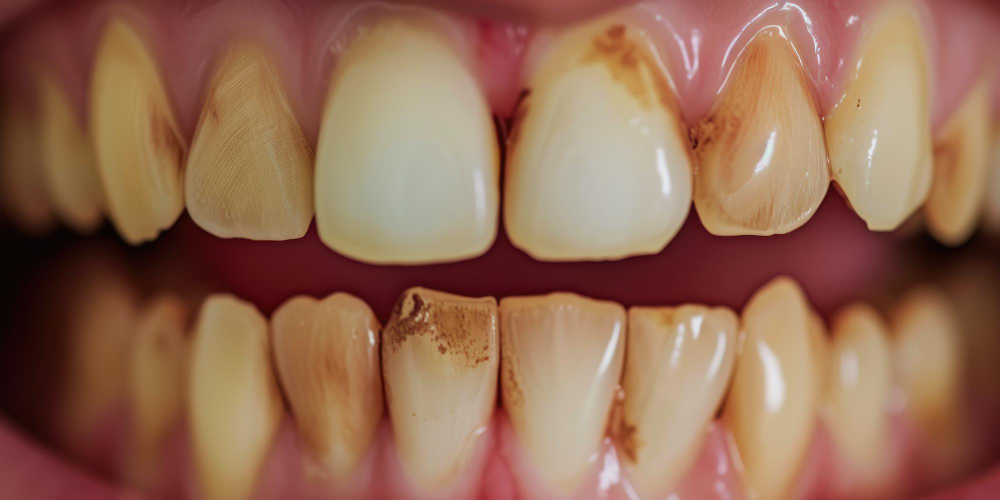
What Is Dental Erosion?
Dental erosion happens when acids wear away the hard outer layer of your teeth, called enamel. This process can make teeth sensitive and weak. Unlike tooth decay, dental erosion does not involve bacteria. Instead, it is caused by acids from foods, drinks, or even your own stomach. Because enamel cannot grow back, it is important to protect tooth enamel every day. Many people do not notice dental erosion until it becomes serious. However, early care can help prevent dental erosion and keep your teeth strong.
Common Causes of Dental Erosion
Many things can lead to dental erosion. For example, what you eat and drink can play a big role. Below are some common causes:
In many cities, people enjoy fruit juices and sodas daily. However, these drinks can raise the risk of enamel loss. Even healthy foods like oranges can cause problems if eaten too often. Because acids are the main cause, limiting their contact with teeth is key to prevent dental erosion.
Recognizing the Symptoms of Dental Erosion
Dental erosion can be hard to spot at first. Still, there are signs of enamel loss you can watch for. Early detection helps protect tooth enamel before more damage occurs. Common symptoms include:
For example, if you feel pain when eating ice cream, it may be a sign of enamel loss. Because these symptoms can get worse over time, early action is important.
How Dental Erosion Is Diagnosed
Usually, a dentist can spot dental erosion during a regular check-up. First, they look for changes in tooth color and shape. Next, they may ask about your eating habits and any symptoms. Sometimes, your dentist will use special tools to measure enamel thickness. In some cases, photos or molds of your teeth help track changes over time. Because dental erosion can look like other problems, a full exam is needed. Early diagnosis helps prevent further enamel loss and keeps your teeth healthy.
Effective Ways to Protect Tooth Enamel
Protecting tooth enamel is possible with a few simple steps. Even small changes can make a big difference. Here are some effective ways to protect tooth enamel:
Because fluoride helps strengthen enamel, using fluoride toothpaste is very helpful. In many cases, your dentist can suggest more ways to prevent dental erosion based on your needs.
Lifestyle Tips to Prevent Dental Erosion
Changing a few daily habits can lower your risk of dental erosion. For example, you can:
In some regions, local water contains fluoride, which helps prevent dental erosion. However, if you live in an area without fluoride in the water, ask your dentist about supplements. Because prevention is easier than repair, these tips can help keep your smile healthy for years.