
What Are Full Mouth Dental Implants?
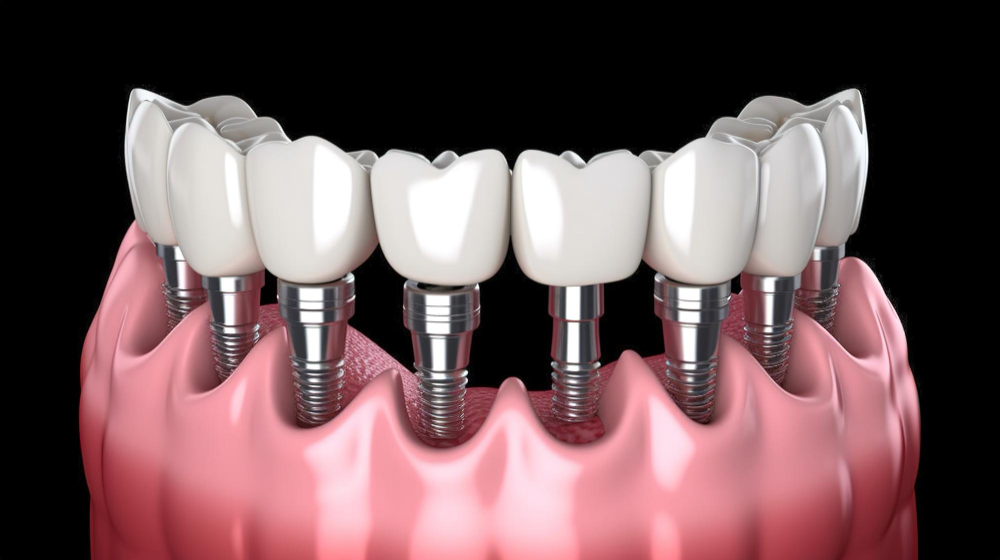
Full mouth dental implants are a way to replace all missing or damaged teeth. Instead of using dentures, dentists place several implants in the jaw. These implants hold a full set of new teeth. As a result, many people find this option more stable and natural than removable dentures. According to the American Dental Association, implants can help restore chewing and speaking abilities.
Common Symptoms and Dental Issues Leading to Full Mouth Implants
Many people wonder, “Who needs full mouth implants?” Often, certain dental problems lead to this treatment. For example, you may notice:
Because these issues can affect daily life, full mouth dental implants may offer a lasting solution.
Who Is an Ideal Candidate?
Not everyone is a good fit for this treatment. Still, many adults can benefit. Dentists look at several factors to decide if you are a candidate for full mouth dental implants. For instance, they consider:
Additionally, people who want a stable, long-term solution often choose implants. The process for dental implant candidacy includes a full dental exam and review of your health history.
Key Benefits of Full Mouth Dental Implants
Full mouth dental implants offer many benefits. For example, they can:
Because of these benefits, many people prefer implants over traditional dentures. According to studies in dental journals, implants can improve quality of life and self-esteem.
Who May Not Be Suitable for This Treatment?
Even though implants help many, some people may not be suitable. For instance, you may not be a candidate if you have:
However, dentists can sometimes offer other solutions or help you prepare for implants in the future.
The Evaluation and Diagnosis Process
Before starting treatment, your dentist will perform a full evaluation. First, they will ask about your health and dental history. Next, they will take X-rays or 3D scans of your mouth. These images help check bone levels and plan the placement of implants. In some cases, blood tests may be needed to check for health problems. After reviewing all results, your dentist will discuss if full mouth dental implants are right for you.
Overview of the Treatment Procedure
The process for full mouth dental implants involves several steps. First, the dentist places small metal posts (implants) into the jawbone. Over time, the bone grows around these posts. This makes them strong. Next, the dentist attaches a full set of new teeth to the implants. Sometimes, temporary teeth are used while healing. The whole process can take several months. However, many people feel the wait is worth it for a stable, lasting smile.
Lifestyle and Oral Care Guidance for Implant Patients
After getting implants, caring for your mouth is very important. For example, you should:
Because good care helps implants last longer, following these steps is key.
Prevention of Further Dental Issues After Implants
Even with implants, you need to protect your mouth from future problems. For instance, you should:
Because prevention is easier than treatment, these habits can help keep your new smile healthy for many years.