
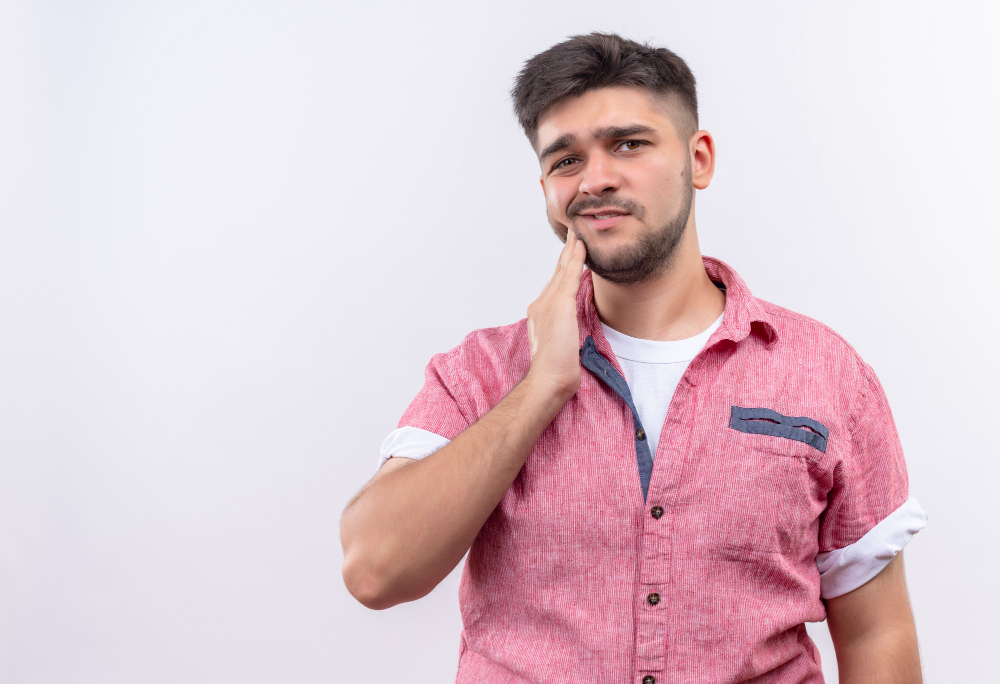
Many people notice clicking sounds or pain in their jaw. These signs often point to TMJ disorders. TMJ stands for temporomandibular joint, which connects your jaw to your skull. When this joint does not work well, you may feel pain or hear noises. TMJ disorders can affect your daily life. For example, eating or talking may become hard. Understanding jaw clicking causes and facial pain from TMJ helps you find relief. This guide will explain TMJ disorder treatment, symptoms, and tips for how to manage TMJ pain.
What Are TMJ Disorders?
TMJ disorders are problems with the jaw joint and the muscles around it. This joint lets you open and close your mouth. Because it is used so often, it can become sore or damaged. TMJ disorders can happen to anyone. However, they are more common in adults. The World Health Organization notes that jaw pain is a frequent complaint in dental clinics. TMJ disorders may last a short time or become a long-term issue.
Common Symptoms of TMJ Disorders
TMJ disorders have many signs. Some people may only notice mild symptoms. Others may feel strong pain. For instance, you might hear a clicking sound when you chew. Below are common symptoms:
Sometimes, these symptoms come and go. But if they last, it is best to seek help.
Causes of Jaw Clicking and Facial Pain
Many factors can lead to TMJ disorders. Some causes are easy to spot, while others are less clear. For example, an injury to the jaw can trigger problems. Here are common jaw clicking causes and reasons for facial pain from TMJ:
In some cases, the exact cause is unknown. Still, knowing these risk factors can help you avoid more pain.
How TMJ Disorders Are Diagnosed
Doctors and dentists use several steps to check for TMJ disorders. First, they ask about your symptoms and health history. Next, they examine your jaw. For example, they may listen for clicking or popping sounds. They also check how wide you can open your mouth. Sometimes, they use X-rays or scans to look at the joint. According to the CDC, early diagnosis can help prevent long-term problems. If you notice jaw pain or clicking, it is wise to get checked.
Treatment Options for TMJ Disorders
There are many ways to treat TMJ disorders. Your doctor will choose the best plan for you. Often, simple steps can ease pain. For example, resting your jaw may help. Here are common TMJ disorder treatment options:
Most people find relief with non-surgical care. However, your doctor may suggest other steps if pain continues.
Lifestyle Tips for Managing TMJ Disorders
Making small changes can help manage TMJ pain. For instance, you can avoid chewing gum. Here are some helpful tips for how to manage TMJ pain:
With these steps, you may notice less pain and fewer jaw clicks.
Preventing TMJ Disorders
While not all TMJ disorders can be prevented, some habits may lower your risk. For example, keeping stress under control can help. Here are ways to protect your jaw health:
By following these tips, you can help keep your jaw joint healthy and strong.